

Team Building for Performance
BlueSky Experiences High-Performance Pathway
Many organisations invest in team building to improve morale and engagement, yet see little lasting impact on performance.
Teams participate, energy is high and experiences are positive, but behaviours return to previous patterns. Communication remains inconsistent, collaboration is inefficient and alignment is limited. Activity increases, but effectiveness does not improve.
This reflects a disconnect between activity and outcomes.
Performance is driven by how teams operate under pressure, make decisions and work together in real time. Without linking experience to behaviour and behaviour to outcomes, team building remains isolated from business performance.
Team Building for Performance addresses this by using experience as a catalyst for measurable improvement in how teams function.
Interventions:
THE PATHWAY TO SUCCESS
Traditional team building is often positioned as a standalone activity focused on engagement or reward. While valuable in the moment, it rarely delivers sustained improvement.
Without a structured framework, analytical insight or connection to business priorities, outcomes are difficult to measure and rarely embedded.
Team Building for Performance is positioned as the entry point to the BlueSky Experiences High-Performance Pathway.
It sits alongside:
These elements collectively strengthen internal team performance. This then progresses into Team Effectiveness, where impact is measured in relation to business outcomes.
BlueSky Experiences reframes team building as a performance intervention, not a standalone event.
-
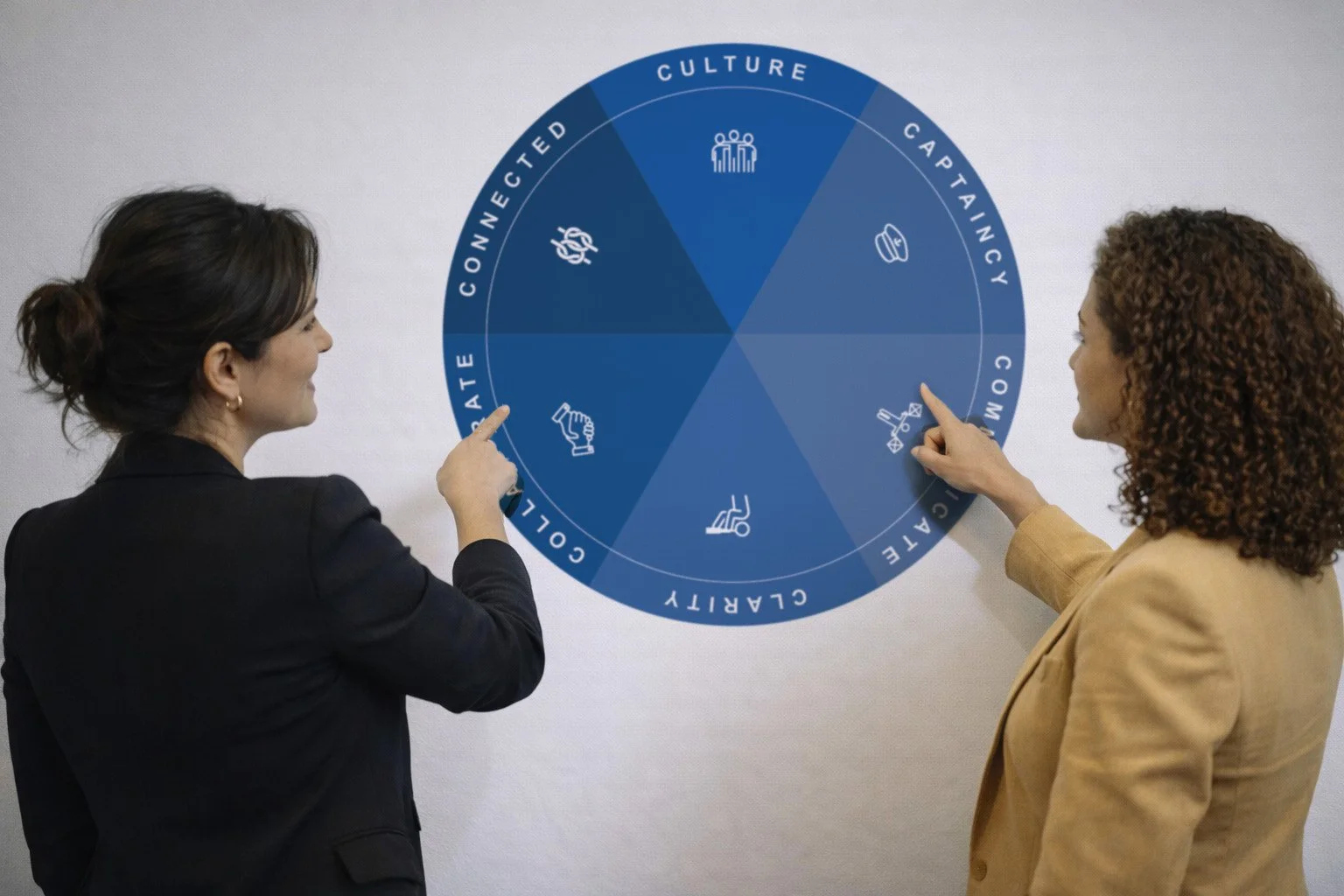
Within the High-Performance Pathway, the model strengthens the 6 Drivers of High-Performance:
Culture
Establishes consistent behaviours and standards that support a results-focused environment.Captaincy
Clarifies roles and expectations, strengthening accountability within teams.Communication
Improves how teams share, interpret and act on information.Clarity
Aligns teams around priorities, objectives and success measures.Collaboration
Strengthens how teams work together, reducing inefficiency and duplication.Connectedness
Improves how teams operate within wider systems, ensuring alignment across the organisation. -
Elements on the High-Performance Pathway are delivered as a structured, facilitated intervention:
Diagnostic in action
Observe how teams and leaders operate in real time, identifying behavioural patterns and performance gaps.Insight
Introduce the 6 Drivers of High-Performance to create a shared language for understanding performance.Intervention
Use experiential challenges to surface behaviours linked to performance outcomes.Reflection
Facilitated discussion connects experience to workplace behaviour and performance.Progression
Insights inform the other stages of the pathway, including team and leadership development and eventually team effectiveness. -
When positioned within the High-Performance Pathway, Team Building for Performance delivers:
Immediate visibility of performance behaviours and team dynamics
Increased awareness of performance drivers and gains.
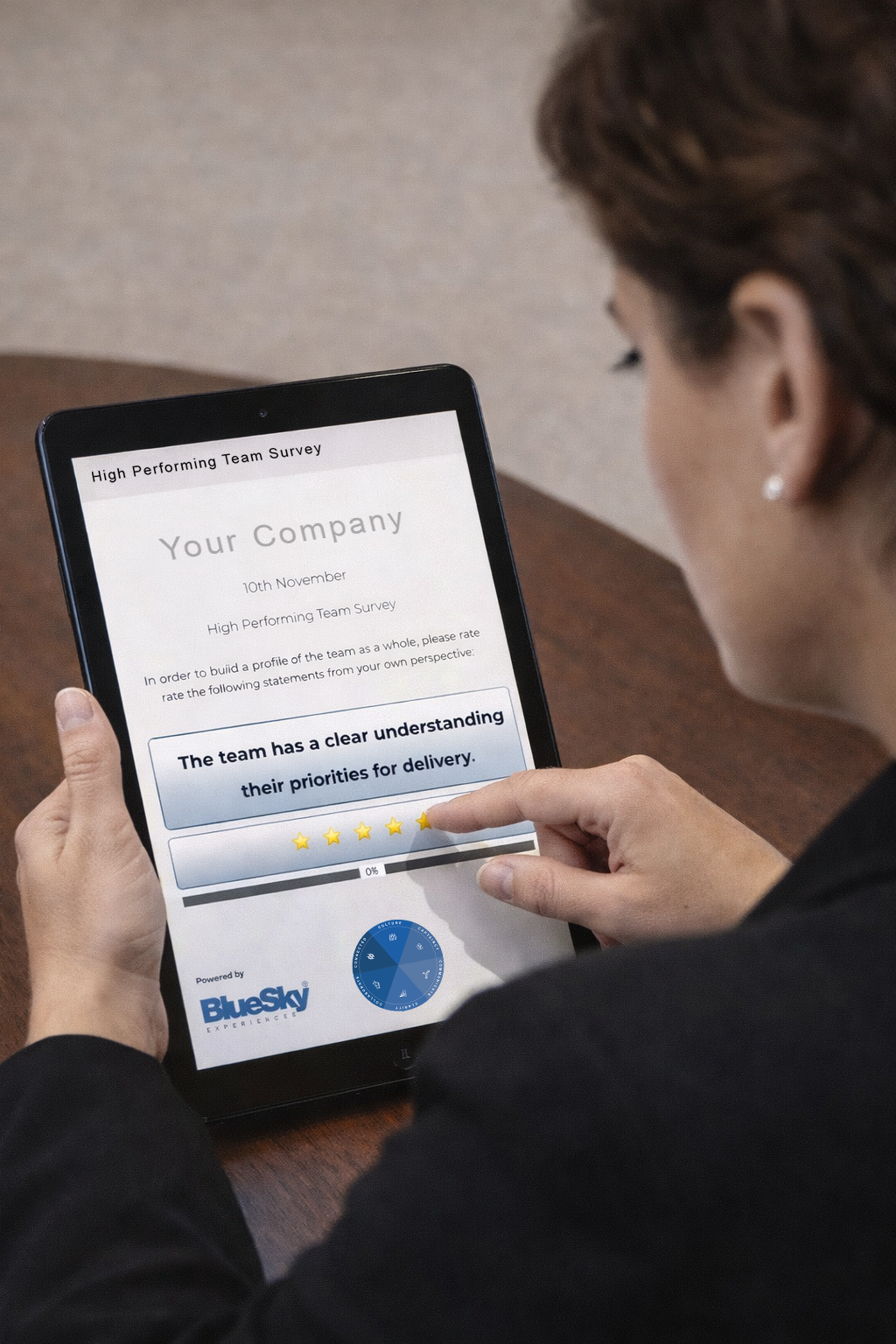
A shared language for discussing performance without blame with easily understood, practical models.
Stronger connection between behaviour and outcomes.
A clear baseline for targeted development
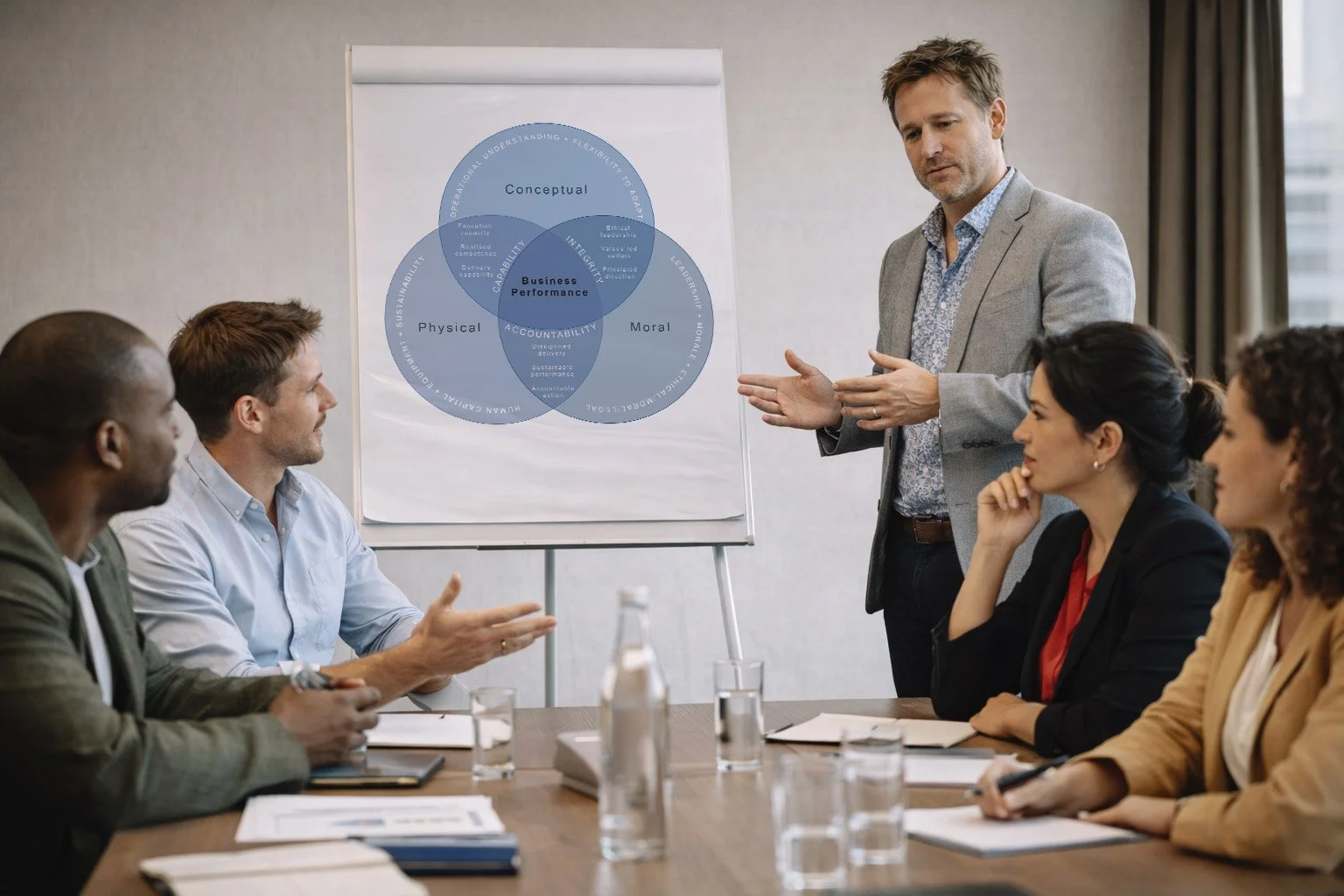
These outcomes create the starting point for improving business performance across conceptual, moral and physical components.
Team effectiveness is achieved when:
output meets or exceeds client needs
the team grows in capability
individuals grow through participation
Team building initiates this process by creating awareness and alignment.
-
“Team building does not deliver real impact”
Traditional approaches often lack structure and measurement. This approach links experience directly to performance and feeds into a wider development pathway.“We don’t have time for this”
Time invested without impact is the risk. This intervention provides immediate insight that informs targeted development, ensuring efficient use of time.“We’ve done team building before”
Generic events often fail due to lack of relevance. This approach is structured, facilitated and aligned to performance improvement. -
How does team building fit within the High-Performance Pathway?
It is the entry point, followed by Team Development for Performance and Leadership Development for Performance, leading into Team Effectiveness.How is this different from traditional team building?
It is structured, facilitated and directly linked to performance, rather than focused solely on engagement.What outcomes can be expected?
Immediate insight into team behaviour, improved awareness and a clear foundation for targeted development.How is impact measured?
Behavioural insight gathered during activity informs analysis with progression tracked through subsequent stages of the pathway.Is this suitable for all teams?
Yes. It is designed for teams seeking to improve collaboration, communication and performance in real working environments.What is the first step?
Engage in a facilitated team building experience that provides analytical insight and initiates the High-Performance Pathway.
STEP ONTO THE PATHWAY
If team building has not translated into improved performance, the issue is not engagement. It is the lack of connection to behaviour, capability and outcomes.
Engage with BlueSky Experiences to deliver Team Building for Performance as the starting point of your High-Performance Pathway.
This provides:
immediate insight into team performance
identification of behavioural patterns and gaps
a foundation for structured, measurable improvement
Start with experience. Translate insight into action. Build effective performance.